By
Why Puerto Rico
Puerto Rico holds a special place in my heart. Some of the people I love most have roots on the island, including my child and my ex’s extended family. I have visited dozens of times, and with every visit, my love and respect for the island, its people, and its culture grow deeper.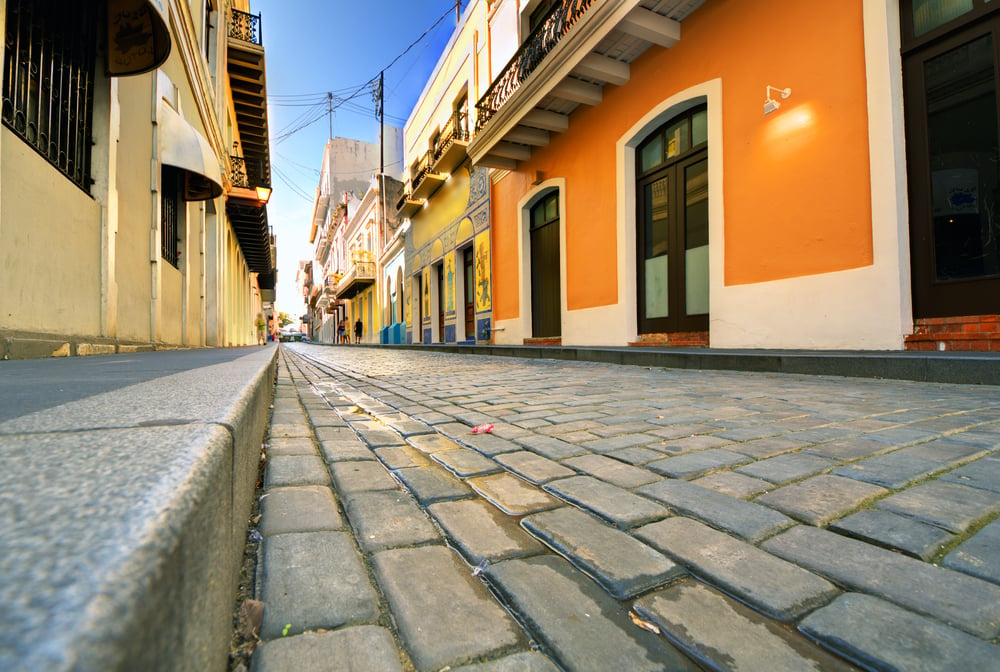
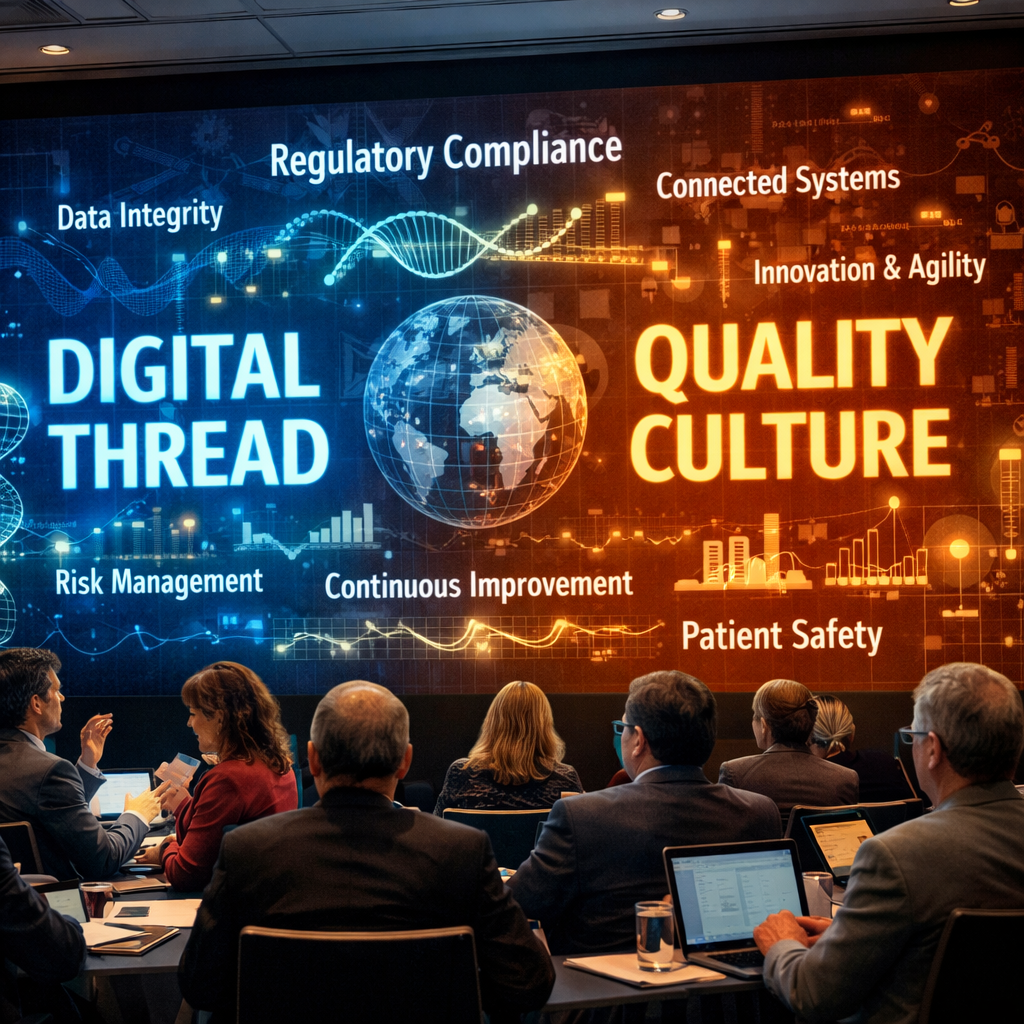
I try never to miss a chance to bring validation education to Puerto Rico. This week was no different. I woke up not at 100%, with almost no voice, and boarded the flight from Dulles to San Juan anyway to speak at KENX on Human Risk and AI in GxP.
It was worth it. The attentiveness in the room and the depth of the questions reminded me why I keep coming back. I feel the same thing in Dublin. Two islands, one shared pharmaceutical heritage, and a passion for the work that you can feel the moment you walk in.
That parallel is not a coincidence. When Section 936 was phased out, many of the companies that left Puerto Rico moved operations to Ireland. Two islands have carried the same industry, and both have had to reinvent around it.
I left San Juan convinced of one thing. Puerto Rico's pharmaceutical journey is one of the clearest lessons we have in what reinvention really costs, and what it really takes.
An island that built an industry
Puerto Rico did not stumble into pharmaceutical leadership. It was built deliberately.
In the 1960s, Operation Bootstrap moved the island from an agricultural economy toward modern manufacturing (Pharmaceutical Online). Section 936 of the federal tax code followed, enacted as part of the Tax Reform Act of 1976 (Chambers). Between the 1970s and the 1990s, nearly every major life science company invested on the island (Pharmaceutical Executive).
Tax policy opened the door. People kept it open. Generations of Puerto Rican chemists, engineers, operators, and quality professionals built the knowledge that made the island one of the most trusted places on earth to make medicine.
When the ground shifted
In 1996, Congress began a ten-year phase-out of Section 936, completed in 2006 (Chambers). The consequences were real. Manufacturing employment fell from 159,000 in 1995 to 74,000 in 2016 (Harvard Political Review). Researchers attribute roughly half of the 34% decline in pharmaceutical and medical device establishments from 1995 to 2017 to the end of Section 936 (NBER). Many companies moved operations to Ireland and Singapore (Pharmaceutical Executive).
Then nature tested the island again. Hurricane Maria in 2017 knocked out power across Puerto Rico and exposed how much of the U.S. medicine supply depended on facilities there. Earthquakes followed in 2020.
Each disruption arrived as an external shock. Each recovery came from inside: from plant teams who kept running on generators, from families who stayed, and from professionals who carried the island's knowledge forward when the incentives that built it were gone.
Reinvention, not restoration
Puerto Rico is not going back to 1995. It is building something new.
Act 60, passed in 2019, created a fresh set of incentives for pharmaceutical manufacturers (Pharmaceutical Online). In 2024, the island's pharmaceutical and medicine exports reached $20.2 billion, 17.6% of total U.S. pharmaceutical exports (Harvard Political Review).
The investment signals are strong. Eli Lilly announced more than $1.2 billion to expand and modernize its Carolina site, with production expected by late 2028 (American Pharmaceutical Review). The project includes cogeneration and solar capacity to supply up to 85% of the site's energy (News is my Business). PharmaEssentia signed an agreement in March 2026 for a new facility in Toa Baja (BioPharma Boardroom).
This is what reinvention looks like at the scale of an economy: advanced manufacturing, energy resilience designed in from the start, and a talent base that never left.
People are the asset
The story is not about facilities, tax codes, or capital. It is about people: their knowledge, their resilience, their communities, and their capacity to reinvent.
That was the heart of my talk in San Juan. AI and increasingly autonomous technologies are reshaping how medicines are made, tested, and released. The risk is not that machines will make decisions. The risk is that people will stop owning them.
Human risk is not something to engineer out. It is the condition we govern. Every quality decision must stay conscious, defensible, and continuous, with a named human accountable for what the technology serves. Technology can transform how we work. People decide what that transformation is for.
Puerto Rico already knows this. When the incentives disappeared, the knowledge stayed because people stayed. No automation strategy replaces that.
Better questions, longer horizons
We cannot keep measuring progress only by who wins, who grows fastest, or who accumulates the most. Puerto Rico's history shows what happens when an industry is built on incentives that can be withdrawn and not on the strength of the community beneath it.
We need better questions:
- How are we creating value?
- Who benefits?
- What risks are we accepting, and who carries them?
- Are we strengthening the communities that make our success possible?
The Haudenosaunee (my heritage) principle of the seventh generation asks leaders to weigh every decision by its effect on people seven generations from now. Our industry rarely plans past the next inspection or the next quarter. Puerto Rico's last fifty years show the cost of short horizons, and the next fifty can show the value of longer ones.
A deliberate choice
Reinvention is not merely a response to disruption. It is a deliberate choice about the future we want to create.
Puerto Rico made that choice more than once, and it is making it again. From the smallest daily interaction to the largest business decision, each of us has the same opportunity: to act with intention, and to build for people we will never meet.
When I look at my teen, I see the generation that will inherit what we build now. I want them to inherit more than our progress. I want them to inherit the courage to keep reinventing.
Gracias, San Juan, for every conversation.
Sources
- Pharmaceutical Online: Reasons pharma manufacturing has eyes on Puerto Rico
- Chambers: Puerto Rico manufacturing hub
- Chambers: Section 936 phase-out
- Pharmaceutical Executive: Puerto Rico country report
- Harvard Political Review: Section 936 and exports
- NBER Working Paper w29107
- American Pharmaceutical Review: Lilly Puerto Rico investment
- News is my Business: Lilly Carolina expansion
- BioPharma Boardroom: PharmaEssentia Toa Baja